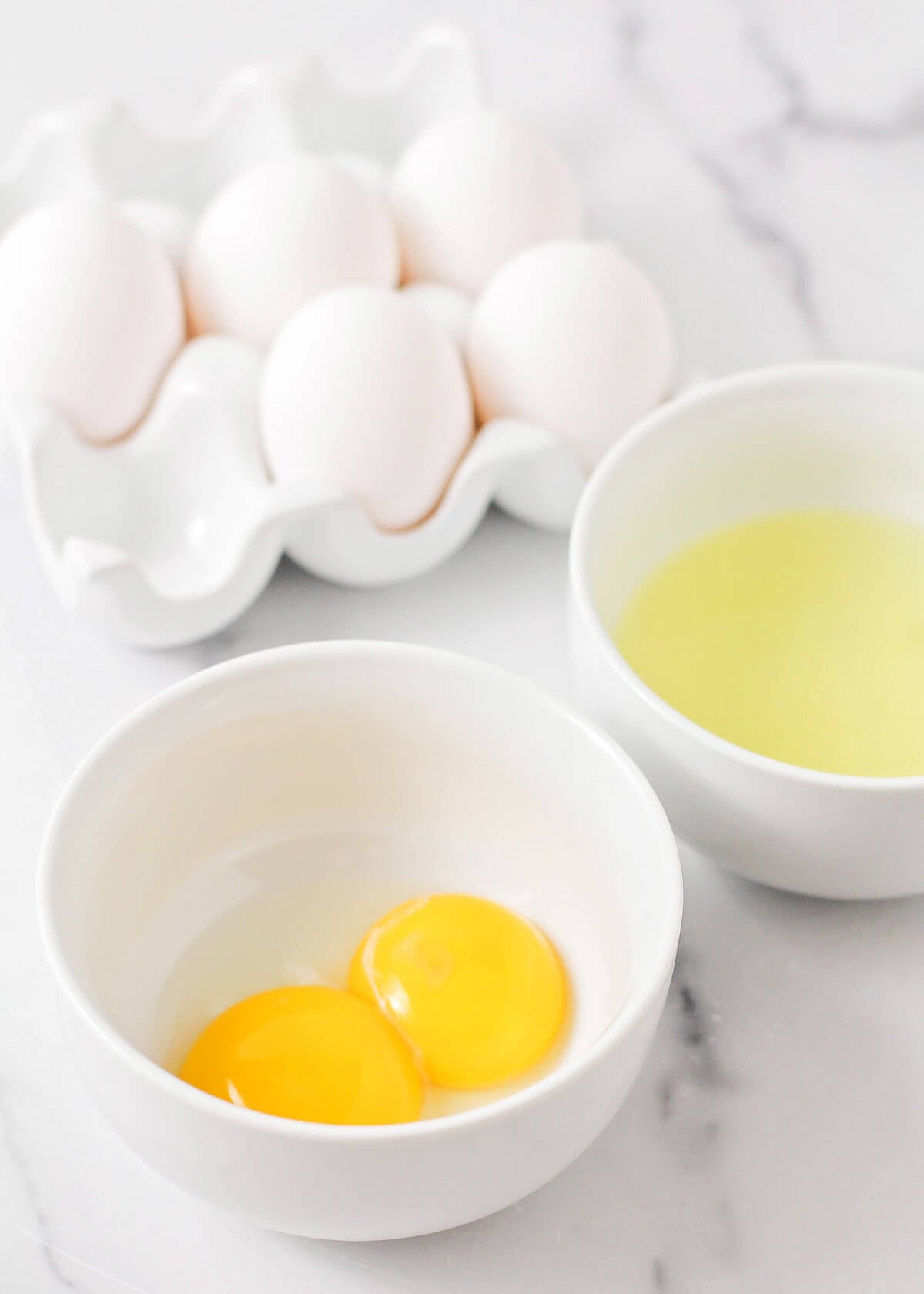
Why Proper Egg Separation is Key for Perfect Meringues & Macarons
Baking is often described as a science, and nowhere is this more apparent than when attempting delicate confections like ethereal meringues or the notoriously finicky French macarons. These recipes hinge entirely on the structural integrity of perfectly whipped egg whites, transformed into voluminous, stable foams. The slightest misstep in preparation can lead to flat, disappointing results. This is precisely why mastering
how to separate egg whites and yolks flawlessly is not just a skill; it's a non-negotiable step that dictates your baking success.
Why Fat is the Enemy of Stiff Peaks: The Science Explained
The fundamental reason behind meticulous egg separation lies in the distinct chemical compositions of egg whites and yolks. Egg whites are primarily protein and water. When you whip them, the mechanical action causes the protein molecules to unfold, or denature. As they denature, they trap air bubbles, forming a stable network that gives meringues and macarons their characteristic lightness and volume.
Egg yolks, on the other hand, are rich in fat. Even a microscopic speck of egg yolk introduced into your egg whites can wreak havoc. Fat molecules interfere with the protein's ability to denature and create that stable foam. They essentially coat the protein structures, preventing them from bonding together and trapping air effectively. The result? Your egg whites won't whip up to stiff peaks, remaining watery and unable to hold their shape. This leads directly to flat meringues that weep, or macarons that spread out without developing their signature "feet."
Understanding this scientific principle underscores the absolute necessity of keeping your egg whites pristine and free from any fatty contamination, whether from yolk, residual oil on your hands, or even a greasy bowl.
The Golden Rule: One Egg at a Time
To mitigate the risk of ruining an entire batch of egg whites, always employ the "isolation bowl" technique. Instead of separating all your eggs directly into a single large bowl destined for your whites, separate each egg individually into a smaller, separate bowl first. Once you've successfully separated the white from the yolk in the isolation bowl, transfer the pristine white to your larger collection bowl. If a yolk accidentally breaks during separation, only that single egg white is compromised, saving the rest of your precious whites from potential ruin.
Mastering the Art of Egg Separation: Tried & True Methods
Successfully separating egg whites and yolks might seem intimidating, but with a little practice and the right technique, it becomes second nature. There are a few popular methods, each with its own advantages. For a deeper dive into various techniques, check out our guide on
Separate Eggs Like a Pro: Shell, Hand & Tool Methods Explained.
The Classic Shell-to-Shell Method
This is perhaps the most traditional and widely used method for separating eggs, perfect for when you need precision and don't mind a slightly slower pace.
1.
Prepare Your Stations: Set out two clean, dry bowls – one for your egg whites and one for your yolks. Remember to have that small "isolation bowl" ready if you're working with multiple eggs.
2.
Crack the Egg: Gently tap the egg on a flat surface or the rim of a bowl. The goal is to create a clean, central crack. Cracking on a flat surface can minimize shell fragments, while cracking on a rim might help achieve a more even split.
3.
Pry Apart: Working over your isolation bowl, use your thumbs to carefully pry the two halves of the eggshell apart. Allow the yolk to remain nestled in one half of the shell while the egg white slowly drips into the bowl below.
4.
Transfer the Yolk: Gently transfer the yolk back and forth between the two shell halves, letting any remaining wisps of egg white drip into the bowl. Be exceedingly careful not to pierce the yolk membrane.
5.
Final Transfer: Once all the white has separated, place the intact egg yolk into its designated bowl and transfer the separated egg white to your main collection bowl.
The Quick & Nimble Hand Method
For those who prefer a more tactile and arguably faster approach, separating eggs using your hands can be incredibly effective, provided you follow one crucial rule.
1.
Wash Your Hands Thoroughly: This step is non-negotiable. Wash your hands meticulously with soap and hot water to remove any natural body oils or other residues. Any fat transferred from your hands can compromise your egg whites.
2.
Crack into Your Palm: Crack the egg on a flat surface and then gently pour the contents directly into your cupped, upturned palm.
3.
Let the Whites Slip: Slightly spread your fingers, allowing the thinner egg white to slip through the gaps and into a bowl positioned underneath. The firmer egg yolk will remain in your palm.
4.
Careful Transfer: Once the white has separated, gently place the yolk into its bowl.
This method is swift and requires no extra tools, but its success hinges entirely on perfectly clean, oil-free hands. For more insights into this and other straightforward techniques, consider reading
The Easiest Ways to Separate Egg Whites for Perfect Baking.
Essential Tips for Foolproof Egg Separation
Beyond the chosen method, a few key practices can significantly improve your chances of perfect egg separation every time.
*
Temperature Matters (But It's a Trade-Off): Chilled eggs are generally easier to separate because the yolk is firmer and less likely to break. However, most recipes for meringues and macarons call for egg whites at room temperature, as they whip up with more volume and stability. The best strategy? Separate your eggs when they are cold, then cover the separated egg whites with plastic wrap and let them sit at room temperature for 30-60 minutes before proceeding with your recipe.
*
Cleanliness is Paramount: We can't stress this enough. Ensure all your bowls, spatulas, and whisks are impeccably clean and completely free of any grease or oil. Even a tiny trace can sabotage your efforts. Wipe down equipment with a paper towel and a dab of vinegar if you're concerned about residue.
*
Dealing with Shell Fragments: If a piece of eggshell falls into your whites or yolks, don't despair! The easiest way to retrieve it is to use a larger piece of eggshell. The shell's jagged edge acts like a magnet, easily scooping up the smaller, rogue fragment. Avoid using your fingers, as this can introduce oils.
*
Don't Waste the Yolks: Once you've successfully separated your whites, don't discard those beautiful yolks! They are incredibly versatile and can be used for enriching custards, making hollandaise sauce, thickening soups, adding richness to pasta dough, or even glazing pastries.
In conclusion, achieving perfectly airy meringues and characteristically delicate macarons begins long before the whisk touches the bowl. It starts with the meticulous, careful separation of egg whites and yolks. By understanding the science behind why fat is detrimental, employing the "one egg at a time" rule, and practicing tried-and-true separation methods, you empower yourself to conquer these classic baking challenges. So, next time you're faced with a recipe calling for egg whites, remember these techniques and confidently embark on your journey to baking perfection.